

You Love It! But Will Your Readers Love Your Book Cover Design?
Have you ever shaken someone’s hand and formed an immediate impression on the person based on how cold or limp or grippy it was? Your book’s cover is like a handshake—it’s the first impression your readers will get. In less than three seconds, they’ll decide whether to flip through it and read the back cover or scan past it. That’s why nailing your book cover design isn’t just important; it’s essential for your book’s success.
Confession: I’m not a professional book designer.
However, I adore reading blog posts by book cover designers who share their designs and explain how it came together, or why it looks so appealing. Turns out there are good reasons behind why a certain cover catches your eye when you’re browsing through a bookstore—and why some are invisible to you and others make you cringe.
But let’s get real as an author: Your book is your darling. It’s lived in your imagination for months, probably years. You’ve poured your heart and soul into it, and maybe, without realizing, you’ve attached some of your identity to it.
Unfortunately, this leads many new authors to fall in love with their cover ideas without understanding how to evaluate it.
Getting your kids to draw the cover?
Sure, it’s a great idea—for your family members who want to buy it. But would that truly inspire your ideal future readers to pick up the book within three seconds? Maybe. You know your ideal audience (and buyers) best—and if you don’t, be sure to find some objective feedback so you do.
Got an insider story behind the details in your cover?
That’s neat—if it can also stand on its own without ever knowing the story behind it, at least until they discover the treasure of the incognito story in your book.
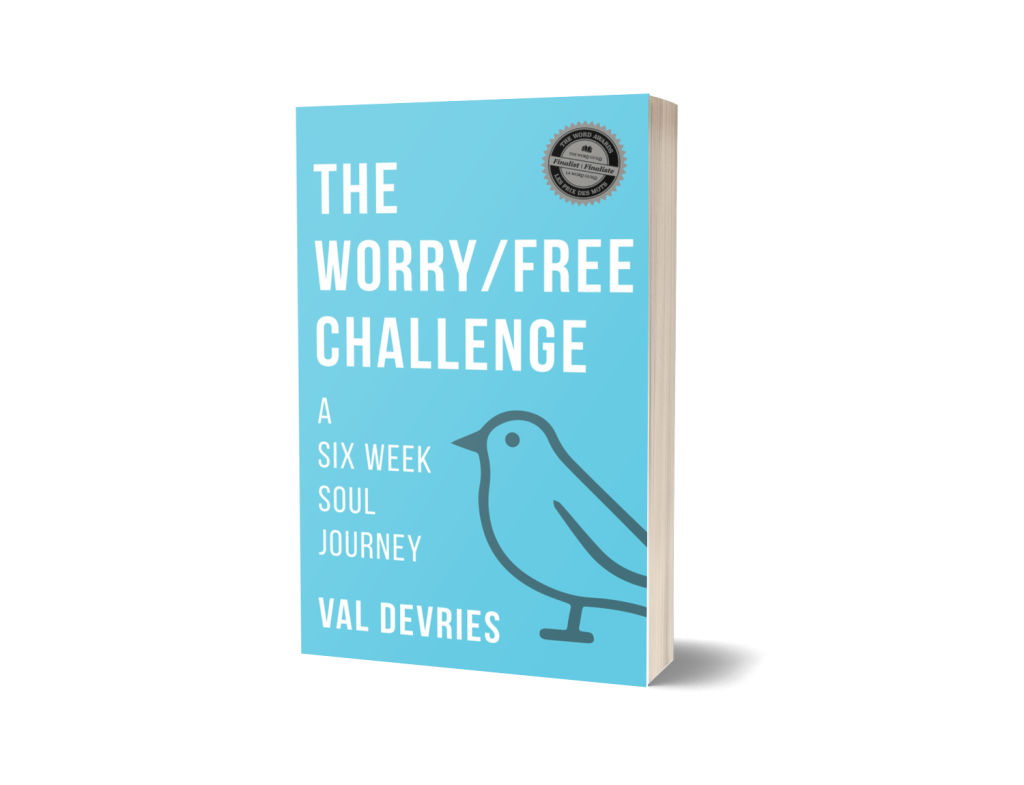
Did you whip up your cover with A.I.? How trendy of you!
It could be delightful. Most people can tell these days if a cover is A.I.-ish. So, if they can tell, how much will that impact your ideal audience’s decision to buy? People have a wide range of opinions about A.I. and what’s created through it, and that’s okay. What matters is how your ideal audience will feel about it. Are they ambivalent because they’re looking forward to what they expect inside of the book, and you artfully learned how to use the tools with style? Or will the cover turn them off because they think you cheated, or it looks like all the other A.I.-designed covers and lacks personality, or because they second-guess if what’s inside the book has been thoughtfully created?
You want a cover that accurately represents your book while catching the eye of your ideal readers.
If you’re paying a hybrid publisher to produce and market your book or you signed on with a traditionally publisher, most likely, they’ll lean on their own marketing experience, leaving you will little say in your cover.
However, if you are choosing the indie route, to make sure your book has a cover your readers adore, you’ll need to ask yourself the right questions—and be honest about the answers.
11 Essential Questions to Ask Before Choosing Your Final Book Cover Design
Let’s dive into 11 essential questions you need to ask before finalizing your book cover design. These will help you make a confident choice that feels good to you and resonates with your future readers of today.
1. What story is your cover telling?
Take a good look at your design. Do the colors, fonts, and images align with the tone and message of your book? A strong cover should instantly communicate what readers can expect. For example, a bold, minimal design might suggest an empowering self-help book, while creamy pastels with quirky typeface could hint at an uplifting memoir. Keep it cohesive—and remember, simplicity often says more than an overly busy design.
2. Does your cover match your genre?
Imagine your potential readers scrolling through dozens of covers online or browsing a bookstore. If they’re looking for a heartfelt devotional or an inspiring self-help book, does your cover speak their language? If your book’s genre isn’t immediately clear, they might skip right past it. Make sure your book cover design instantly communicates the vibe of your book—whether it’s an encouraging guide, a compelling memoir, or a professional how-to.
3. How are your colors setting the mood?
Colors are powerful—they can create excitement, mystery, or peace before someone even reads a word. Bright, energetic hues might suit a book about productivity, while earthy tones could reflect something reflective or faith-based. Think about the emotion you want to evoke and choose colors that bring that to life. And don’t hesitate to ask for feedback—sometimes a fresh pair of eyes can help you spot what’s working (or not).
3. Do your titles draw readers in?
Your title and subtitle have important jobs to do. For non-fiction books, the best main titles evoke curiosity and point what the book is about in one to three words. Effective subtitles answer the questions, “who is the book for?” and “what will I get out of this book?” So, if you’ve crafted your titles well, of course you want to make sure they stand out. That means your main title should take up at least a third of the design space and inspire you lean in to easily read the smaller, strategic subtitle.
4. Will your book cover design stand out in a split second?
Here’s the test: When you shrink your cover down to thumbnail size on a story flyer or Amazon search results page, does it still grab attention? Can the title be read at a glance? If your ideal reader is scrolling through an endless feed of similar titles, your cover needs to fit in yet also pop. That’s why clarity, bold visuals, and a clean layout are your best friends here.
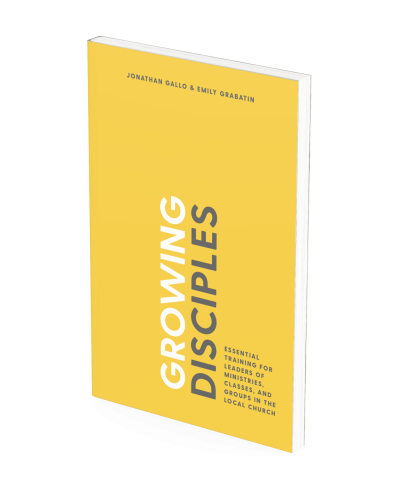
Instead, we decided to go with something fresh and modern that would pop on a shelf of other similar books.
5. Is your font choice doing its job?
Fonts are more than just letters—they’re part of the story your cover tells. Is your font clear and easy to read? Does it match your book’s tone? For example, a sharp, modern font might work for a business book, while a hand-lettered style could suit a creative memoir. Whatever you choose, make sure it’s legible and enhances your message.
6. Are your images or graphics pulling their weight?
The visuals in your book cover design should do more than look pretty—they should give readers a taste of your book’s theme. Avoid the temptation to use artwork from your kids or that vacation photo you love unless it genuinely connects with your audience. Instead, work with a designer to find images or illustrations that are professional, relevant, and compelling. And, to save you some headache and unexpected penalties later one, be sure to check the royalty rights and copyright permissions before you use one.
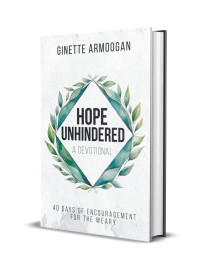
The final cover her designer delivered beautifully fits a popular devotional cover style that includes floral accents, earth tones, and minimalist typography.
7. Does your cover reflect your brand?
Whether this is your first book or your fifth, your cover is an extension of you. It should feel true to your voice and message. If you’ve published before, think about how this design fits with your previous works, or how you want it to. Consistency in style helps readers recognize your books—and makes them more likely to pick up your next one.
8. Is your book cover design both trendy and timeless?
Book cover trends can be a double-edged sword. While it’s good to stay current, you don’t want your design to feel dated in a few years. Look at what was working in the 90’s— use that vibe and it’s a sure way to tell your ideal readers that your message might not be relevant and to keep scrolling for fresh options. Instead, aim for a balance: consider what’s popular in your genre but stick to classic elements like clean typography and compelling imagery.
9. Can your book cover design adapt across formats?
Your book might take many forms—eBook, audiobook, or even a translated edition. Make sure your cover can be adapted across all of them. Does the design look good as a small thumbnail or in black and white? Planning for versatility now will save you headaches later.
10. Have you tested it with your target readers?
It’s tempting to fall in love with your cover idea because it feels perfect to you. But remember—it’s not about what you love, though of course you want to adore your book cover design; it’s about what resonates with your readers. Share your cover with a focus group of your ideal readers, and pay attention to their feedback. While you can’t please everyone, their insights can help you fine-tune your design to make it as effective as possible.
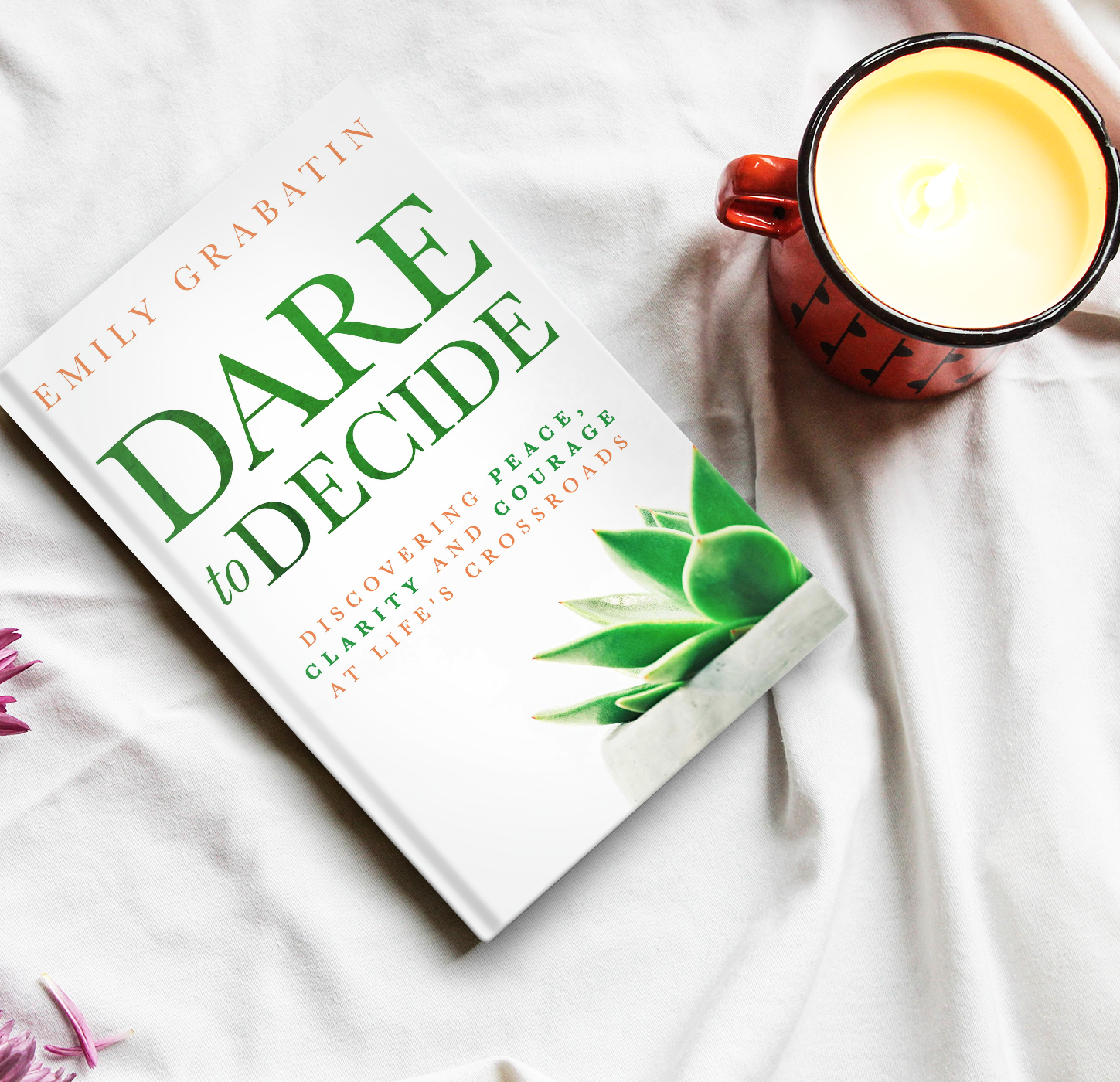
My designer sent me 5 cover choices with different fonts, succulent designs and colours. They were each beautiful, and when I posted them in a poll on Facebook, my readers had just as tough a time choosing as I did! But they did narrow the top choices for me. While some questioned the relevance of a succulent, many said the refreshing, simple vibe along with the title inspired them to read it.
The Bottom Line: Your Book Cover Design Speaks Before You Do
Your book cover design isn’t just an image—it’s a promise to your readers that shapes their expectations and even their anticipation.
When you take the time to ask these questions, you’re not just designing a cover; you’re setting the stage for your book’s success. You’re staying true to you but also considering what would delight your ideal readers. So, embrace the process, trust your instincts, and collaborate with your designer to create a cover that truly speaks volumes.
Happy designing!
Want more tips on preparing for your cover design and other phases of your book?